


Industry Dialogue with Ahmed Alajmi
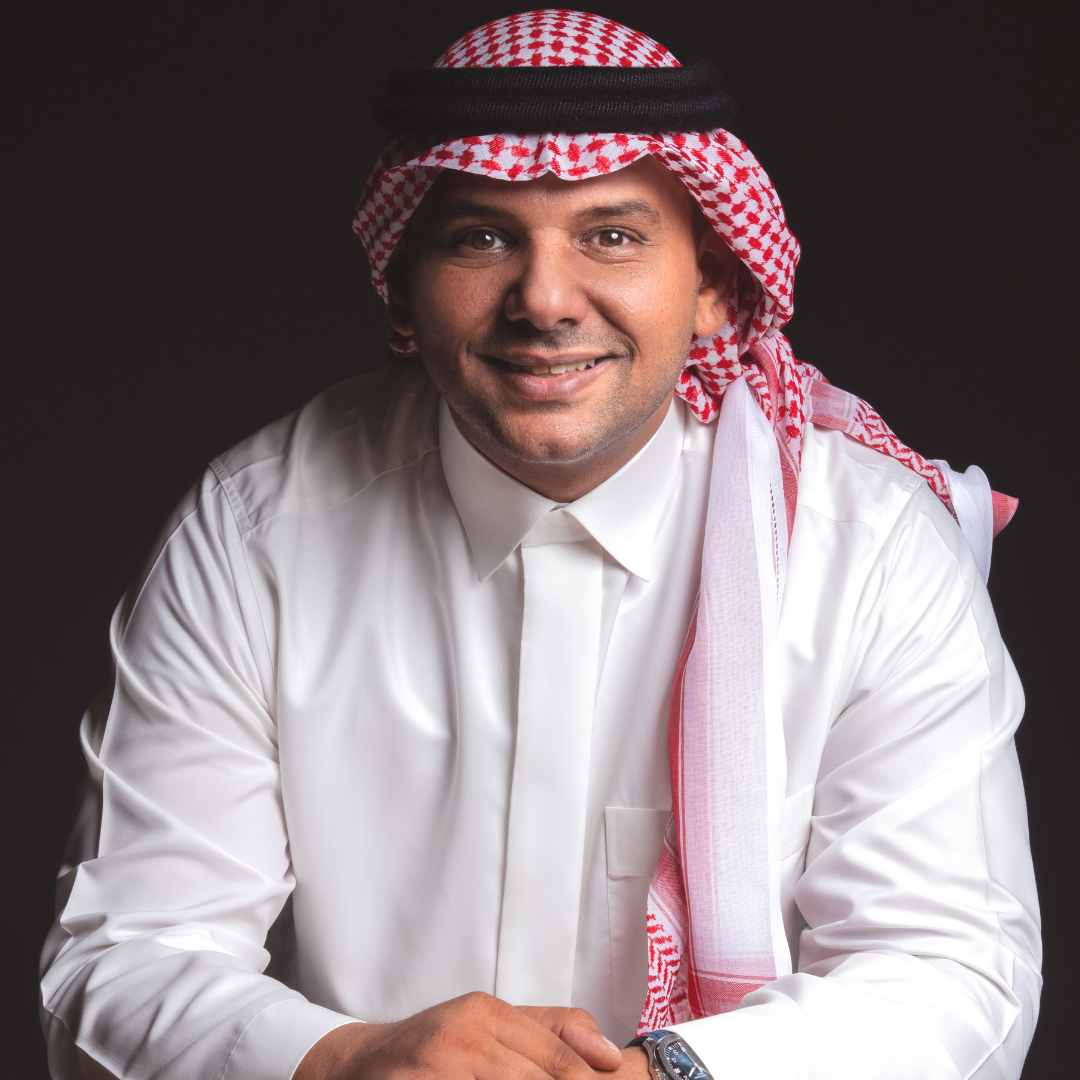
Founder & CEO, Takara Hospitality Group
Saudi Arabia’s F&B sector is evolving rapidly as consumers become more connected, more informed and more experience-driven. Dining is no longer just about food. Guests increasingly expect concepts that combine hospitality, culture, design, entertainment and community into one seamless experience.
In this edition of Industry Dialogue, a leadership series featuring the executives, operators and decision-makers shaping Saudi Arabia’s hospitality and F&B industries, Ahmed Alajmi, Founder & CEO, Takara Hospitality Group, shares perspectives on changing consumer behaviour, the rise of experience-led concepts and what operators need to do to stay relevant in one of the region’s most dynamic dining markets.
Read the full interview below:
1. How is the Saudi F&B landscape evolving in terms of consumer preferences, dayparts, dining occasions, and concept demand, and what's catching you by surprise?
Saudi Arabia’s F&B landscape is evolving faster than almost any market in the region, and what is most interesting is that dining is no longer viewed as an occasional activity, it has become part of the consumer’s daily lifestyle and identity. Guests today are dining across multiple dayparts, from premium coffee experiences in the morning, business lunches during the day, social dining in the evening, and experiential destinations late into the night. The market is becoming increasingly experienced-driven rather than purely product-driven.
What we are seeing now is a major shift toward concepts that can create emotional connection, atmosphere, and consistency while remaining operationally scalable. Consumers are no longer impressed by aesthetics alone. They are looking for authenticity, energy, service quality, hospitality culture, and brands that feel relevant to their lifestyle and social identity.
One of the biggest changes is how educated and globally exposed the Saudi consumer has become. Today’s guest understands international dining standards, follows global trends, travels frequently, and compares experiences across markets such as London, Dubai, Tokyo, and New York. At the same time, they still deeply value concepts that respect local culture and create a sense of belonging within the Saudi market.
What continues to surprise me is the speed of maturity in consumer expectations. Trends that used to take years to reach this region are now adopted almost immediately. Guests are becoming more selective, more quality-conscious, and less loyal to brands that fail to continuously evolve. This is forcing operators to think beyond simply opening restaurants and instead focus on building hospitality ecosystems, strong brand communities, and experiences that can remain relevant long term.
I also believe the future demand in Saudi Arabia will continue shifting toward highly specialized concepts, elevated casual dining, lifestyle hospitality brands, and experience-led venues that combine food, design, entertainment, and culture into one complete destination experience
2. Where are the key gaps or opportunities in sourcing across ingredients, equipment, packaging, and tech platforms, and how can suppliers add the most value?
The sourcing challenges in today’s F&B industry are no longer simply about finding products or suppliers — they are about building reliable ecosystems that can support growth, operational consistency, and brand standards at scale. As the Saudi hospitality market matures, operators are becoming far more selective about who they partner with because every sourcing decision directly impacts the guest experience, operational efficiency, and long-term profitability.
In ingredients, the biggest opportunity is consistency and supply chain reliability. A restaurant brand cannot scale successfully if product quality changes between locations, shipments, or seasons. Guests today notice every detail, and maintaining consistency across flavor, presentation, and standards is critical, especially for premium and luxury concepts. Suppliers that can guarantee stable quality, transparency, and strong logistical support will continue to gain significant advantage in this market.
In equipment, many operators still make short-term purchasing decisions based purely on cost, which often creates major operational inefficiencies later. The real value comes from suppliers who understand hospitality operations and can guide brands toward solutions that improve workflow, durability, maintenance efficiency, energy optimization, and scalability across multiple locations. The right equipment partner should think beyond sales and understand the long-term operational realities of the business.
Packaging is also evolving rapidly. Today, packaging is no longer only functional — it has become part of the overall brand experience. Operators are looking for packaging that protects food quality, supports delivery performance, reflects brand identity, and aligns with modern sustainability expectations without compromising operational practicality or cost control.
On the technology side, the opportunity remains enormous. Many restaurants still operate with disconnected systems that create inefficiencies across inventory, procurement, finance, guest data, and operations. The future belongs to integrated technology ecosystems that help operators make faster decisions, improve forecasting, understand customer behavior, optimize labor, and protect margins while enhancing the guest journey.
Ultimately, the suppliers who will create the most value in Saudi Arabia are the ones who position themselves as long-term strategic partners rather than transactional vendors. Operators today are looking for reliability, speed, transparency, after-sales support, innovation, and partners who genuinely understand hospitality, not simply product distribution. The market is becoming more sophisticated, and the strongest supplier relationships will be built around trust, operational understanding, and shared long-term growth.
3. How have your operating models evolved in to recent regional dynamics, and which changes are proving most effective?
Our operating models have evolved significantly over the past few years because the regional hospitality environment today moves much faster than before. Consumer expectations are changing rapidly, competition is becoming more sophisticated, and operators are under increasing pressure to deliver consistency, speed, experience, and profitability simultaneously. In this environment, traditional hospitality structures are no longer enough.
One of the biggest shifts for us has been moving toward a far more agile and data-driven operating model while still protecting the fundamentals of hospitality. Regardless of market conditions, guests will always expect exceptional quality, consistency, attention to detail, and genuine service. Those principles remain non-negotiable.
What has proven most effective is building stronger operational infrastructure with decentralized leadership and faster decision-making at the brand and unit level. We have focused heavily on empowering teams closer to the market because responsiveness is critical today. The ability to adapt quickly at the operational level without compromising brand standards has become a major competitive advantage.
We have also strengthened the integration between operations, commercial strategy, marketing, procurement, HR, and finance so that decisions are no longer made in isolation. Hospitality businesses today cannot operate in silos. The most successful operating models are the ones where every department is aligned around the guest experience, operational efficiency, and long-term brand positioning.
Another major evolution has been our focus on scalability. As groups grow, success becomes less dependent on individuals and more dependent on systems, culture, training, governance, and execution frameworks. We have invested heavily in standardization, leadership development, internal communication, and operational discipline to ensure we can scale brands sustainably while maintaining consistency across all locations.
I believe the operators that will succeed long term in this region are the ones that can combine flexibility with discipline — staying agile enough to respond to market changes while remaining deeply committed to brand identity, hospitality culture, and operational excellence.
4. How are hotel F&B strategies being reimagined in the Kingdom, particularly in resort, lifestyle, and giga- project environments - and what does that mean for partners and concept providers?
Hotel F&B strategies in Saudi Arabia are being completely reimagined because the Kingdom itself is redefining what modern hospitality destinations can become. In the past, hotel restaurants were often viewed as supporting facilities designed mainly to serve hotel guests. Today, especially within resort developments, lifestyle destinations, and giga-projects, F&B has become a central part of the destination strategy itself.
The expectation now is much larger than simply operating successful restaurants. F&B is expected to create identity, drive footfall, shape social energy, extend guest stay, and contribute directly to the positioning and commercial success of the entire development. In many cases, the dining experience becomes one of the main reasons people visit the destination in the first place.
What makes Saudi Arabia unique today is the scale of ambition behind these projects. Developments are no longer thinking in terms of individual venues; they are building complete lifestyle ecosystems. That means every concept must contribute to a larger narrative while still maintaining its own strong identity and commercial viability. The balance between individuality and integration is becoming extremely important.
For operators, partners, and concept providers, this creates both enormous opportunity and significant responsibility. The market is no longer looking for imported concepts with superficial localization. Developers are seeking brands that understand Saudi culture, guest behavior, operational scalability, and long-term sustainability while still meeting international luxury standards.
Another major shift is that hotel and destination operators are becoming far more selective about partnerships. They are looking beyond design and branding alone and focusing more on execution capability, operational infrastructure, leadership quality, consistency, training culture, and the ability to evolve over time. In a market moving this quickly, operational discipline is becoming just as valuable as creativity.
I believe the future winners in Saudi Arabia will be the groups that can successfully combine authentic hospitality, strong operational foundations, cultural relevance, and experience-driven innovation into scalable concepts that feel both globally competitive and deeply connected to the identity of the Kingdom.
5. What's your opinion on local talent development, Saudization in F&B, and the role of training partners and culinary institutes in supporting the sector's growth?
Saudi Arabia’s F&B sector is entering one of the most important phases in its development, and local talent development will be one of the defining factors behind the industry’s long-term success. Saudization should never be viewed simply as a requirement or percentage target. It must be treated as a strategic investment in building a sustainable hospitality industry led by capable Saudi professionals across operations, culinary arts, service, management, and executive leadership.
The reality is that hospitality is no longer a temporary or secondary career option in Saudi Arabia. Today, we are seeing a new generation of ambitious Saudi talent that wants to build real careers in hospitality, luxury dining, entrepreneurship, and guest experience. This shift is extremely important for the future of the sector.
Saudi talent also brings something that cannot be taught easily: a genuine understanding of local culture, guest behavior, social dynamics, and the evolving expectations of the Saudi consumer. This gives Saudi professionals the ability to shape concepts and experiences in a way that feels authentic and deeply connected to the market.
At the same time, the industry must continue investing heavily in training, mentorship, and professional development. Training partners, culinary institutes, and hospitality academies play a critical role in bridging the gap between education and operational reality. The focus now must move beyond theory and toward practical exposure, international standards, leadership development, and hands-on operational excellence.
I believe the next stage of growth in Saudi hospitality will not be defined only by how many restaurants we open, but by how successfully we develop Saudi leaders who can operate, innovate, and eventually build world-class hospitality brands from within the Kingdom. That is where the real long-term transformation will happen, and it is fully aligned with the ambitions of Saudi Vision 2030.
6. For an international F&B brand or supplier evaluating Saudi entry, what's the realistic timeline, investment level, and partnership structure you'd recommend they plan for?
Saudi Arabia is one of the most attractive growth markets globally for F&B brands and suppliers today, but it is also a market that requires seriousness, patience, and operational readiness. My advice to any international brand entering Saudi is simple: do not focus on entering quickly — focus on entering correctly.
A realistic market-entry timeline depends heavily on the category, operational complexity, regulatory approvals, sourcing requirements, and localization strategy. In many cases, brands underestimate the amount of preparation required before opening the first location. Successful entry is not just about securing a site or signing a franchise agreement; it is about building a sustainable operating infrastructure that can support long-term growth.
From an investment perspective, companies must think beyond the launch phase. The real investment is in localization, talent development, supply-chain stability, training systems, quality assurance, digital infrastructure, and maintaining brand consistency while adapting to the Saudi consumer. This market moves very quickly, and consumer expectations evolve rapidly, particularly in premium and lifestyle dining segments.
I also believe many international brands underestimate the operational intensity of Saudi Arabia. The scale of opportunity is significant, but so is the level of competition. Guests here are highly educated, globally exposed, and extremely selective. Brands that succeed are the ones that commit to the market operationally, not just financially.
In terms of structure, the strongest model is typically a strategic long-term partnership with an experienced local operator who deeply understands the market, regulatory environment, consumer behavior, real estate dynamics, and hospitality culture. A good local partner does far more than facilitate entry — they protect the brand, accelerate adaptation, reduce execution risk, and help create scalable, sustainable growth.
Ultimately, Saudi Arabia rewards brands that approach the market with discipline, long-term vision, and a genuine commitment to building value rather than chasing short-term expansion.
7. How valuable are industry events such as Hotel & Hospitality Expo in helping you discover new suppliers, partners, or ideas that support your growth?
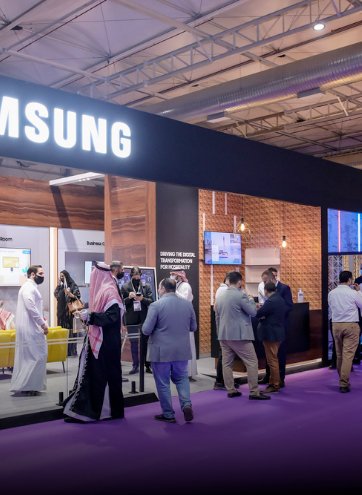
Industry events such as the Hotel & Hospitality Expo Saudi Arabia have become increasingly valuable because the Saudi hospitality market is evolving at exceptional speed, and operators need to stay closely connected to innovation, supply chain development, technology, and emerging consumer expectations.For us at THG, these events are not simply about sourcing products or meeting vendors. They are strategic platforms that allow us to evaluate future opportunities, identify scalable operational solutions, build long-term partnerships, and understand where the hospitality industry is heading both regionally and globally.
One of the biggest advantages is the ability to assess multiple ideas, suppliers, and technologies within a very short period of time while seeing how relevant they truly are to the Saudi market. Not every global trend is suitable for this region, so the real value comes from identifying concepts and partners that can adapt to the local culture, operational realities, and pace of growth we are experiencing in Saudi Arabia.
I also believe these events are becoming increasingly important because hospitality today is no longer only about food and service. It is becoming deeply connected to design, technology, customer engagement, sustainability, operational efficiency, and lifestyle experiences. Events like this bring the entire ecosystem together in one place, which creates meaningful conversations and accelerates collaboration across the industry.
What matters most to us is finding partners that can grow with the business long term. In a market moving this quickly, operators need reliability, scalability, consistency, and innovation — not just short-term solutions. The companies that will succeed in Saudi Arabia are the ones capable of building real partnerships and evolving alongside the market itself.