
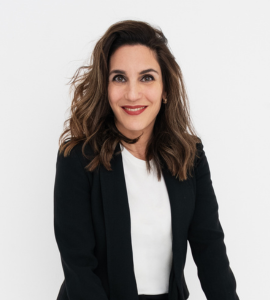
Industry Dialogue with Mina Anziani
COO, Kerten Hospitality
Saudi Arabia's tourism and hospitality sectors are evolving rapidly as guests seek experiences that go beyond traditional hotel stays. Culture, wellness, entertainment, dining and community are becoming increasingly important in shaping destination choice and long-term visitor engagement.
In this edition of Industry Dialogue, a leadership series featuring the executives, operators and decision-makers shaping Saudi Arabia's hospitality and F&B industries, Mina Anziani, COO of Kerten Hospitality, shares perspectives on the experiences, operational models and hospitality concepts driving the next phase of tourism growth across the Kingdom
Read the full interview below:
Insights campaign on the current state and future outlook of Saudi Arabia’s hospitality market. The series will feature insights from hospitality leaders across the Kingdom, and selected responses will be shared across HHE Saudi Arabia’s website, email campaigns, and social media channels.
1. How is the Saudi F&B landscape evolving in terms of consumer preferences, dayparts, dining occasions and concept demand, and what’s catching you by surprise?
Saudi Arabia’s F&B landscape is rapidly evolving from traditional dining into experience-driven hospitality. Consumers today are looking beyond food alone, they want lifestyle, storytelling, atmosphere, entertainment, and meaningful social interaction. We are seeing strong growth in casual premium concepts, sharing-style dining, wellness-led offerings, specialty coffee, and contemporary local brands that celebrate regional identity, such as the experiences emerging in AlUla. Hotels and resorts are also activating spaces throughout the entire day rather than focusing only on dinner service, creating more dynamic guest engagement.
What has been most surprising is the speed at which Saudi consumers are embracing new concepts while simultaneously raising expectations around quality, design, authenticity, and service standards. The market is becoming incredibly sophisticated and highly experience oriented.
2. Where are the key gaps or opportunities in sourcing across ingredients, equipment, packaging, and tech platforms, and how can suppliers add the most value?
There are still significant opportunities across specialty ingredients, premium local sourcing, sustainable packaging solutions, and reliable cold chain logistics. While the market is developing quickly, operators, particularly in remote destinations and resort environments, require suppliers who understand operational complexity beyond standard urban hospitality models.
Destinations such as AlUla demonstrate the importance of integrating local sourcing and cultural authenticity into the guest experience, whether through regional produce, artisanal products, or oasis-inspired culinary concepts. Suppliers who can offer consistency, flexibility, sustainability, and operational reliability will create the most value.
3. How have your operating models evolved in response to recent regional dynamics, and which changes are proving most effective?
Operating models across hospitality and F&B are becoming significantly more agile, flexible, and experience driven. Traditional static models are being replaced by seasonal activations, pop-ups, partnerships, and programming that keep destinations dynamic and culturally relevant throughout the year.
Lifestyle programming and community engagement are also becoming critical revenue and experience drivers, particularly in resort and heritage destinations. At Dar Tantora The House Hotel, for example, immersive activities such as traditional bread-making help create deeper cultural connections for guests while activating spaces beyond conventional dining formats.
The most effective changes are those that combine operational adaptability with authentic storytelling, allowing hospitality brands to continuously refresh the guest experience while maximising the use of spaces across multiple dayparts and audience segments.
4. How are hotel F&B strategies being reimagined in the Kingdom, particularly in resort, lifestyle, and giga-project environments, and what does that mean for partners and concept providers?
Hotel F&B in Saudi Arabia is no longer viewed simply as a support function for rooms revenue. In resorts, lifestyle hotels, and giga-project developments, F&B has become a central positioning tool and a major destination driver in its own right. Guests increasingly choose destinations based on the quality, originality, and diversity of culinary and social experiences available.
This shift means that concept providers and operating partners must deliver far more than attractive design or trends. They need originality, scalability, operational discipline, and the ability to create long-term relevance. As competition intensifies, successful concepts will be those that combine strong storytelling and immersive experiences with consistent execution and financial sustainability across different market environments within the Kingdom.
5. What’s your opinion on local talent development, Saudization in F&B, and the role of training partners and culinary institutes in supporting the sector’s growth?
Saudization is one of the most important long-term priorities for the hospitality industry, but the focus must go beyond simply meeting quotas. The sector needs to build sustainable and aspirational career paths that position hospitality and F&B as industries of creativity, pride, entrepreneurship, and long-term opportunity for Saudi talent. Training partners, culinary institutes, and hospitality schools play a critical role in bridging education with real operational experience, ensuring graduates are prepared for the fast pace and evolving demands of the industry.
Greater collaboration between operators and educational institutions will be essential to developing leadership talent for the future. Ultimately, investing in people and skills development will define both the quality and long-term sustainability of Saudi Arabia’s hospitality sector.
6. How valuable are industry events such as Hotel & Hospitality Expo in helping you discover new suppliers, partners, or ideas that support your growth?
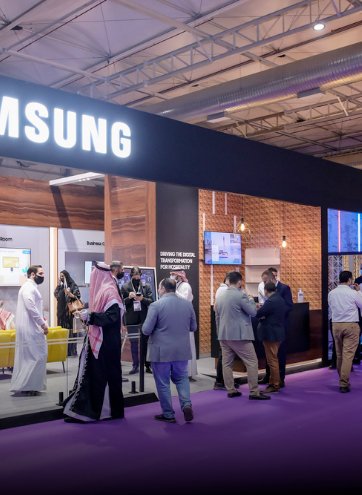
Industry events such as Hotel & Hospitality Expo are extremely valuable for networking, benchmarking, and identifying new innovations shaping the future of hospitality and F&B. They provide direct access to suppliers, operators, developers, and emerging concepts, while also creating opportunities to exchange ideas and build strategic partnerships. They also offer valuable insight into changing consumer expectations, operational trends, sustainability initiatives, and new technologies that can support long-term growth.