


Industry Dialogue with Muin Serhan
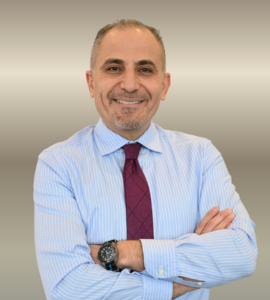
Chief Executive Officer, AMSA Hospitality
Saudi Arabia’s hospitality market is evolving rapidly, driven by tourism investment, infrastructure expansion and rising demand for experience-led travel across the Kingdom. While Riyadh continues to lead development, new opportunities are increasingly emerging across tier-two cities and integrated hospitality destinations.
In this edition of Industry Dialogue, Muin Serhan, Chief Executive Officer of AMSA Hospitality, shares perspectives on the operational shifts, procurement challenges and growth opportunities reshaping the Kingdom’s hospitality landscape.
Read the full interview below:
1. From your operational vantage point, what are the most significant shifts you've observed in guest profiles, ADR, and occupancy across your Saudi properties over the past 12-18 months, and what's driving them?
Over the past 12-18 months, we’ve seen Saudi Arabia’s hospitality market become significantly more diversified. Demand today is driven by a stronger mix of domestic leisure travelers, GCC visitors, corporate travel, and international guests entering the market for the first time.
ADR growth has remained strong in key cities, particularly those benefiting from major events and Vision 2030 initiatives. Occupancy levels have also improved, although performance increasingly depends on each destination’s maturity and demand drivers.
Another clear trend is the shift toward experiential hospitality. Guests are looking for authenticity, wellness, culture, and lifestyle-driven experiences rather than traditional hotels stay alone.
Overall, the momentum is being driven by tourism investment, improved connectivity, entertainment expansion, and the rapid evolution of Saudi Arabia as a global destination.
2. Which destinations within the Kingdom are showing the strongest performance fundamentals right now, and where do you see the next wave of demand emerging?
Riyadh continues to demonstrate some of the strongest hospitality fundamentals in the region, driven by government activity, corporate expansion, major events, and sustained business travel demand. Makkah and Madinah remain highly resilient due to religious tourism. Jeddah is strengthening its position as a leisure destination.
At the same time, we see significant potential emerging beyond the primary gateway cities. Tier-two cities are becoming increasingly attractive as infrastructure and tourism investment expand across the Kingdom.
At Amsa Hospitality, this is reflected in our own pipeline, including an upcoming project with hotel apartments and villas in Riyadh’s Diplomatic Quarter, as well as a mixed-use development in Qassim. These projects align with the broader shift toward integrated destinations that combine hospitality, lifestyle, retail, and residential components.
3. What are your top procurement and supply chain pain points today, and where are gaps that suppliers and brands could realistically fill?
One of our main challenges today is balancing speed with quality. Development timelines across the Kingdom are ambitious, which places pressure on procurement cycles, FF&E delivery, and operational readiness.
Technology integration is another area where we see opportunity. Owners and operators are increasingly looking for scalable systems that improve operational efficiency, sustainability tracking, guest personalization, and data visibility.
The suppliers and partners that will succeed in Saudi Arabia are those willing to invest locally, adapt to market realities, and build long-term relationships rather than viewing the market as a short-term opportunity.
4. How is the rise of homegrown Saudi hospitality brands reshaping competition, partnerships, and opportunities for international operators?
The rise of Saudi hospitality brands is one of the most exciting developments in the market today. Local brands bring strong cultural understanding and authenticity, which are genuinely important to travelers these days.
Rather than viewing this purely as competition, I see it creating opportunities for collaboration and hybrid operating models. International operators contribute global systems, distribution, and operational expertise, while local brands offer market insight and cultural relevance.
This creates new opportunities across lifestyle hospitality, branded residences, and experience-led destinations where guests are seeking something more connected to local identity.
As the market matures, success will increasingly depend on adaptability and the ability to create concepts that resonate with both local and international audiences.
5. What types of partnerships, suppliers, or product innovations will move the needle for your properties in the next 12–24 months?
Over the next 12–24 months, we see strong opportunities in partnerships that support the continued growth of the upscale hospitality segment in Saudi Arabia. Demand in this category is increasing rapidly as the market expands into accessible, experience-driven offerings for both business and leisure travelers.
We are particularly focused on operational tech, procurement solutions, sustainability initiatives, and smart design concepts that improve scalability while maintaining high-quality guest experience. Talent development will also remain a major priority. Through Amsa Hospitality Academy, our vocational hospitality training school, we are investing in developing the next generation of Saudi hospitality professionals.
6. If a brand or supplier is considering entering the Saudi market for the first time, what's the one piece of advice you'd give them, and why is now the moment to act?
My advice would be to approach Saudi Arabia with a long-term mindset and a willingness to understand the market deeply. Success here requires more than simply replicating strategies from other regions. Saudi Arabia is evolving rapidly, but relationships, adaptability, cultural understanding, and local presence remain extremely important. Companies that invest time in building partnerships and aligning with the Kingdom’s long-term vision will be best positioned to succeed.
Now is the right moment because the scale of transformation taking place across various sectors is creating opportunities for both now and long-term.
7. How do events such as Hotel & Hospitality Expo support your ability to source partners, solutions, and new ideas?
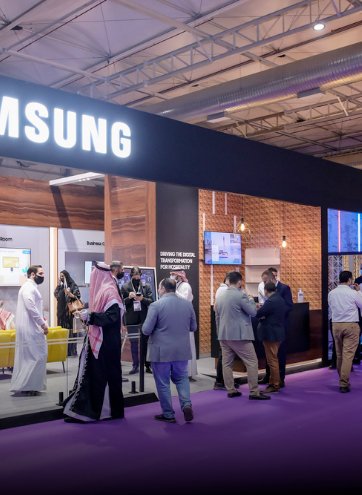
Industry events such as Hotel & Hospitality Expo play an important role in bringing together owners, operators, suppliers, developers, and innovators on one platform.
For us, these events are valuable because they accelerate conversations, expose us to new technologies and solutions, and create opportunities to build strategic relationships in a highly dynamic market. They also provide a useful snapshot of where the industry is heading, from sustainability trends and operational innovation to evolving guest expectations and emerging hospitality concepts.
In a market moving as quickly as Saudi Arabia, maintaining these connections is essential for staying ahead of industry transformation and identifying the right partners for business growth.